There are people for whom basketball is a discipline, a calling, a passion. And then there is Sebastiano De Martis, for whom the game has been nothing less than a lifelong compass, guiding him as a player, a referee, and now as a coach.
Sebastiano story stretches from small Swiss gyms (in Wallis and Vaud cantons) to the electrifying atmosphere of Olympic finals, always with the same thread pulling him forward: an unwavering devotion to the game that made Michael Jordan or Nikola Jokic famous.
From Monthey to Vevey: The First Steps
De Martis’s journey began in Monthey, Wallis a childhood framed by the rhythm of bouncing balls and weekend games. When his family moved to Vevey, the passion came with him. From the age of ten until nineteen, he wore the jerseys of Vevey Basket and Blonay Basket, embracing the game not only as a player but as a student of its deeper mechanics.
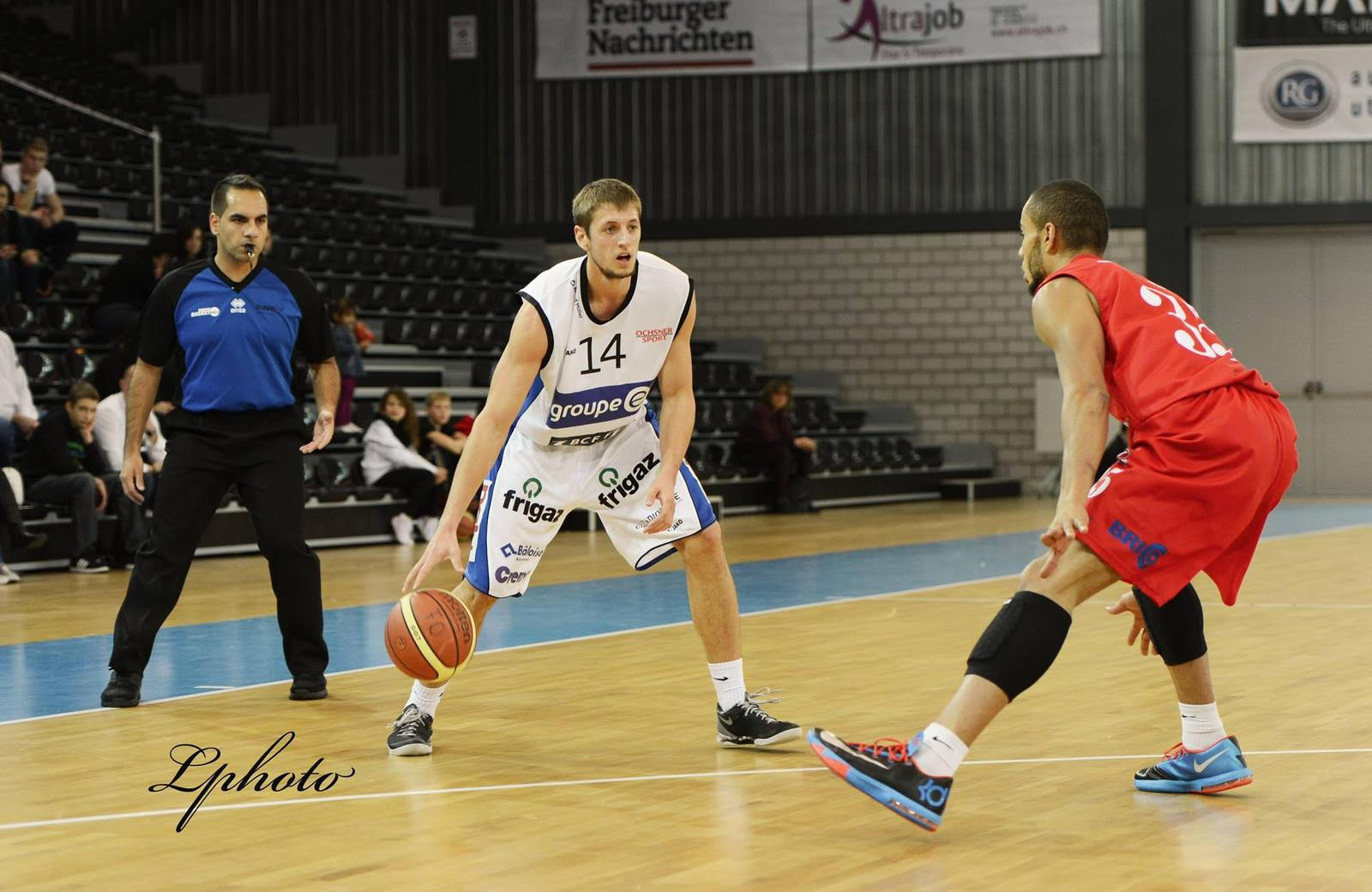
At just twelve years old, a coach’s suggestion steered him toward officiating. The clubs needed referees; he needed new challenges. The match was perfect. He climbed the regional refereeing ladder before reaching the national level in 5×5, a career spanning nearly fifteen seasons, including six or seven at the very top of Swiss basketball. Today, he remains an active national referee in 3×3, a format whose speed and intensity suit him almost naturally.
The coaching call
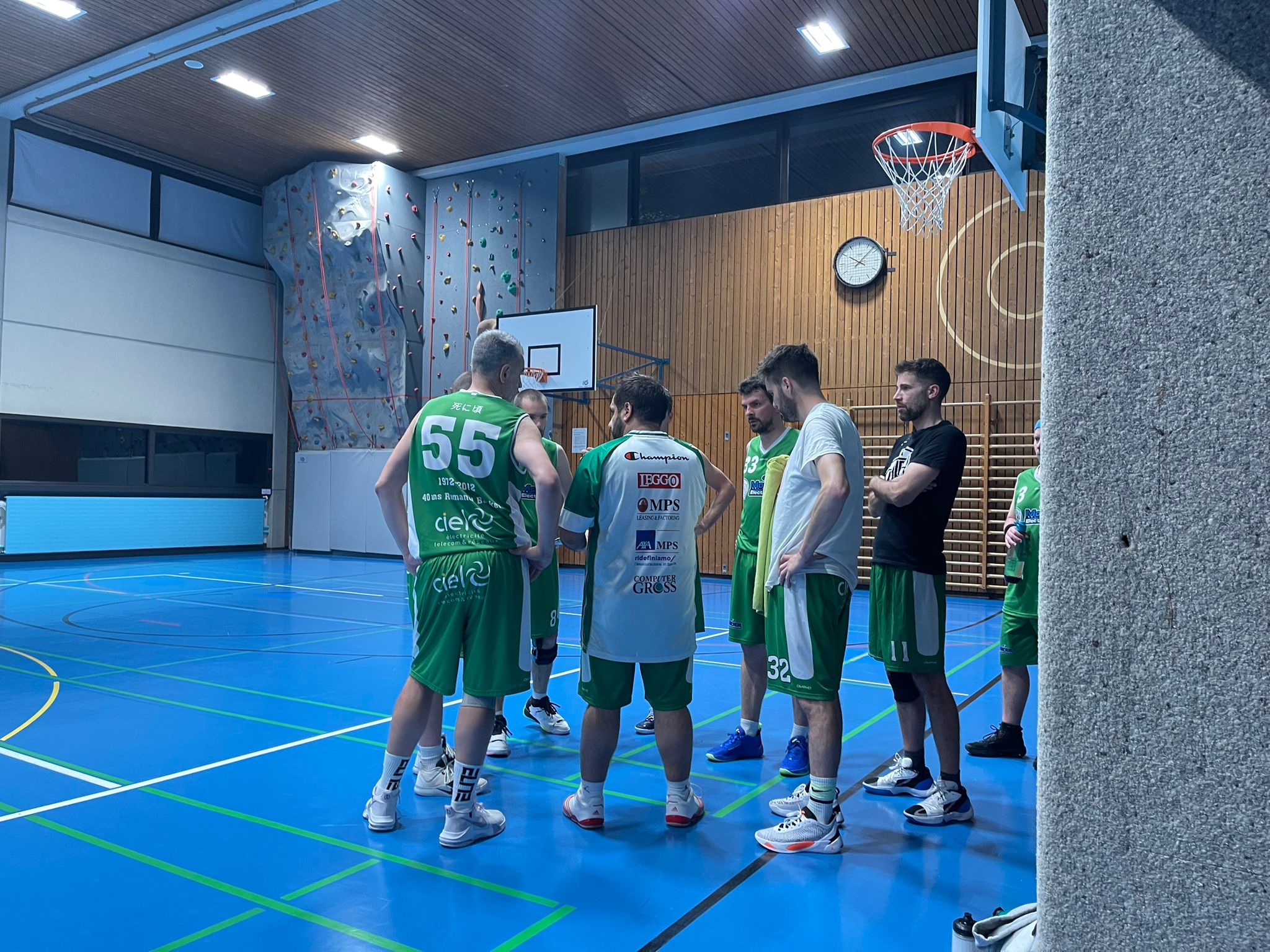
Coaching came later, first as an assistant while he was still playing. He worked with youth teams, among them a young Jonathan Dubas, now a professional whose success still fills him with pride. Life eventually demanded choices: studies, work, family building and the difficulty of balancing playing and refereeing forced him to pause coaching. But when he retired from competing in the First League, the club at Riviera asked him to take over the team. He accepted a job as a head coach with Romanel-sur-Lausanne second 3d League team, coming up with a driven, analytical, and intensely present way of coaching.
Italian Roots, Swiss Precision
To understand De Martis on a sideline, one must first understand the man’s origins. His family comes from Sardinia and Puglia, lands where sport borders on religion. He grew up as an AC Milan supporter, starting first with football before basketball captured him entirely.
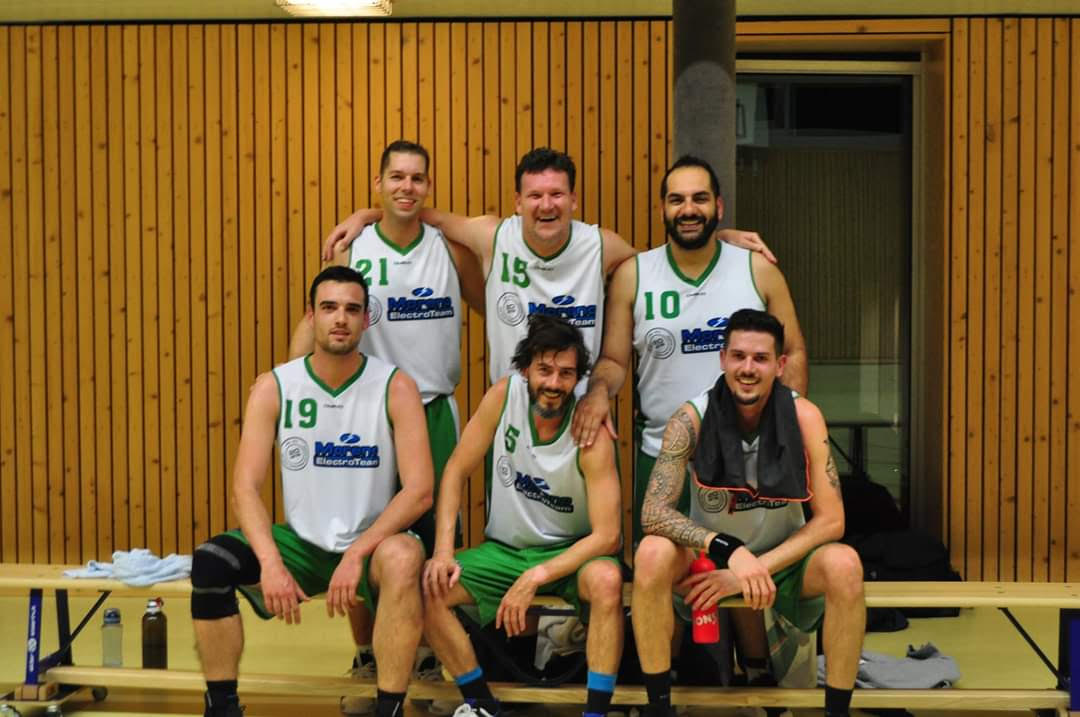
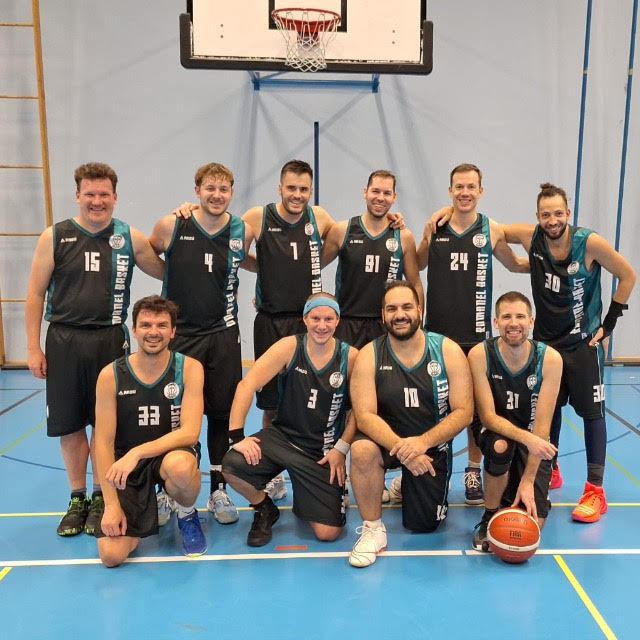
The defining moment came in 1999, when Italy won the EuroBasket title in France. The brilliance of Carlton Myers and Gianluca Basile transformed admiration into devotion. He followed Fortitudo Bologna, then Olimpia Milano, absorbing the tactical richness of Italian basketball. Today, those influences surface unmistakably when he coaches: calm in daily life, volcanic on the court. Expressive. Invested. Alive.
The Tactical Mindset
Asked what “tactics” mean, De Martis answers with characteristic clarity. It is not merely defensive rigor or rigid schemes. Tactics, to him, begin with knowing your opponent – and knowing your own tools. Basketball IQ, he insists, is the ability to read what the defense allows and what the offense provokes.
To coach with intent, one needs intelligent players, engaged assistants, and – when working with youth – the patience to teach and guide. The rule is simple: when players follow the plan, success follows too. When they don’t, the bench awaits.
Swiss Basketball: Promise and Challenges
Switzerland has seen bright moments in recent years, thanks in part to NBA figures like Thabo Sefolosha and Clint Capela. Yet De Martis remains realistic: the player base in 5×5 is still too small, limiting the country’s competitive ceiling.
Meanwhile, 3×3 has surged. Lausanne shone on the World Tour, major tournaments were hosted on Swiss soil, and both referees and athletes gained international recognition. But unlike in Serbia, Italy, France or Spain, Swiss players rarely manage to compete seriously in both formats – they eventually must choose.
For growth, he believes the country must invest again in 5×5, highlight its WNBA players, and convince children that basketball is just as legitimate a path as football, hockey or skiing.
A Referee in Motion: The 3×3 Challenge
Transitioning from 5×5 to 3×3 demands a complete mental reset. The pace is brutal. Every ten to twelve seconds something decisive happens. Physical contact is fiercer, positioning becomes an art, and referees operate inches from the players.
Yet Sebastiano De Martis loves it – especially the outdoor stages, the music, the immediacy of the crowd. It is demanding, but joyfully so.
The Olympic Final: A Moment Frozen in Time
One of his fondest memories is attending the Olympic 3×3 final in Paris. Standing behind the basket, he felt the electricity of a French crowd hungry for victory. When a Dutch player – whom he personally knew – took the winning shot, De Martis didn’t even flinch.
“I knew it was going in,” he recalls. And indeed, it did. A memory, he says, for a lifetime.
The Triangular Insight: Player, Referee, Coach
Few people understand the game from as many angles. Knowing the rules with depth gives him a psychological advantage: referees respect informed dialogue; players respond differently to clarity; coaches reveal pressure tactics he himself once used.
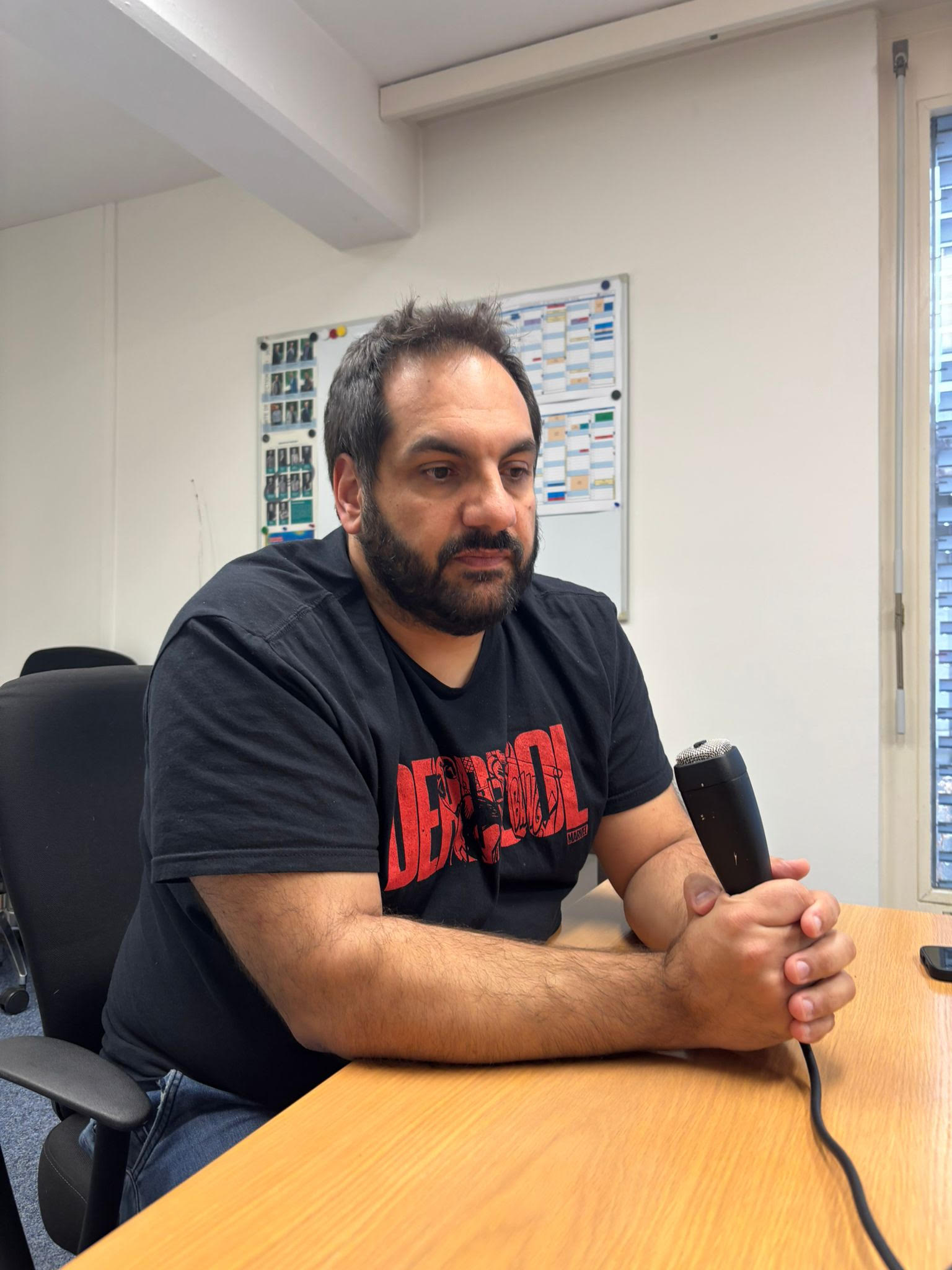
He instructs his players never to speak to referees -only he may risk a technical foul. Experience becomes an art of communication: veterans need one tone, rookies another; emotional players require gentleness, fiery coaches require calm.
Stories from Belgrade and Beyond
His career is dotted with unforgettable moments. The EuroLeague Final Four in Belgrade, with Obradović coaching and the Stark Arena roaring under Serbian energy, remains unmatched. A Red Star Belgrade game in a smaller arena, where nine thousand fans jumped and sang so intensely that tip-off was delayed by twenty minutes, remains engraved in his memory.
And then there was Orlando: chatting courtside with Thabo Sefolosha, only to be joined by Joakim Noah—friendly, joking in French, utterly approachable.
Mistakes, Pressure and Humanity
The hardest refereeing moment of his life came during a women’s First Division final, when one team briefly played with six players on the floor. Neither De Martis nor his colleague saw the extra player exit. A protest followed. The result stood, but the mistake haunted him all summer. These things stay with you, he says.
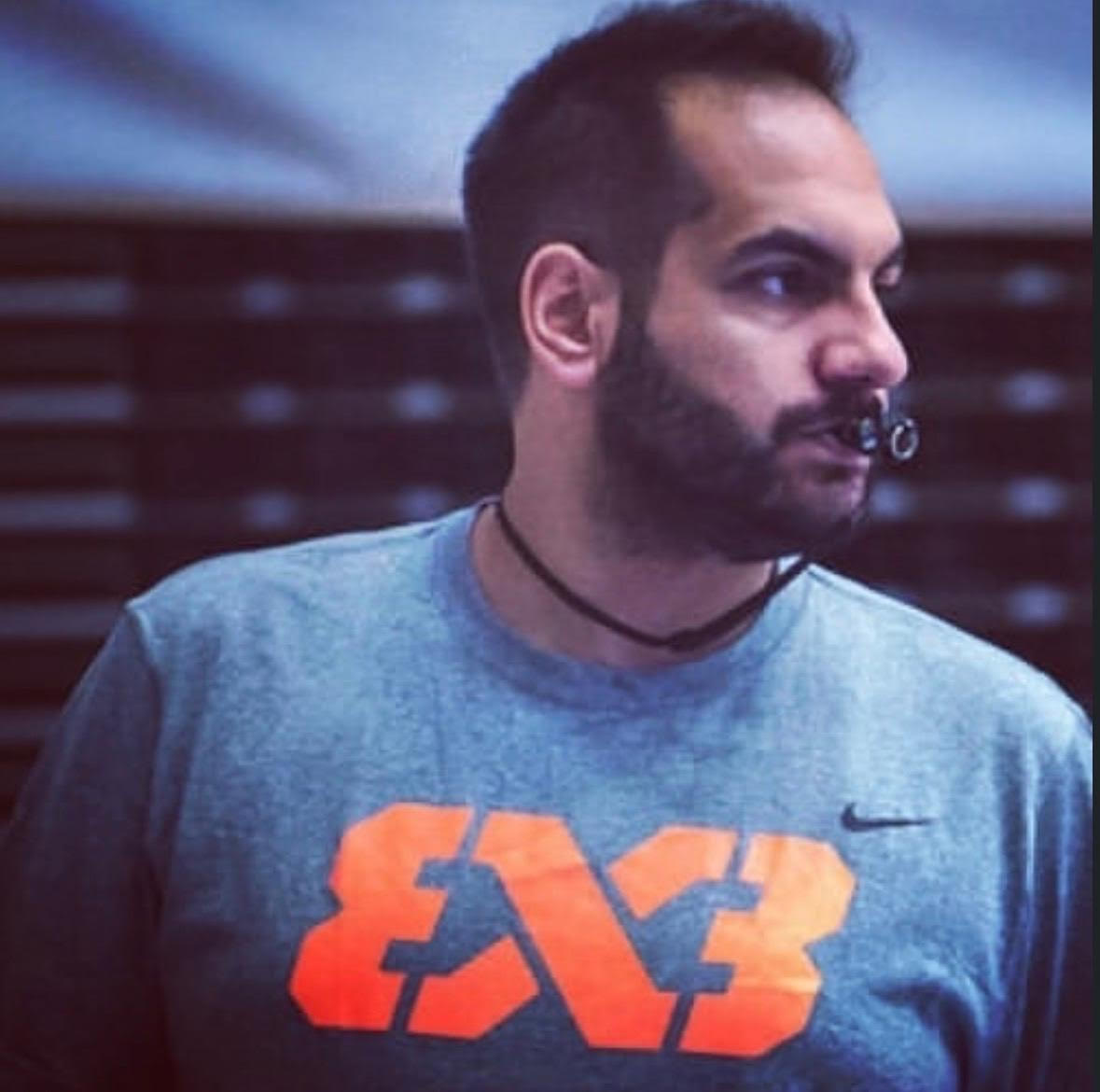
Today’s referees communicate more intentionally—prevention before sanctions, brief explanations, voice support. In 3×3, everything must be quick; in 5×5, debates must be avoided. A short, clear phrase suffices.
And yes, when he errs, he sometimes admits it: “Maybe it’s a mistake, but I called what I saw.”
The Player Behind the Number
His player identity? Intense, collective, inspired by others. Number 10 is an homage to Carlton Myers; number 20 appears occasionally. Age has made him slower, he admits with a smile, but it has sharpened his understanding. Coaching, he feels, may be where he truly belongs.
Whether on the hardwood or on the bench, one truth remains unchanged: the team always comes first.
David Glaser

 Suississimo