Interview with the Collet and Weisz Families
André Collet, the legendary president of the AL Montivilliers club in Normandy, took part in a France Inter radio programme that I produced, Générations. In the basketball world of 2005, a global culture combining spectacle and high performance was meeting a sport with deep popular roots—a discipline loved by the patros that flourished in the 1960s, 70s and 80s.

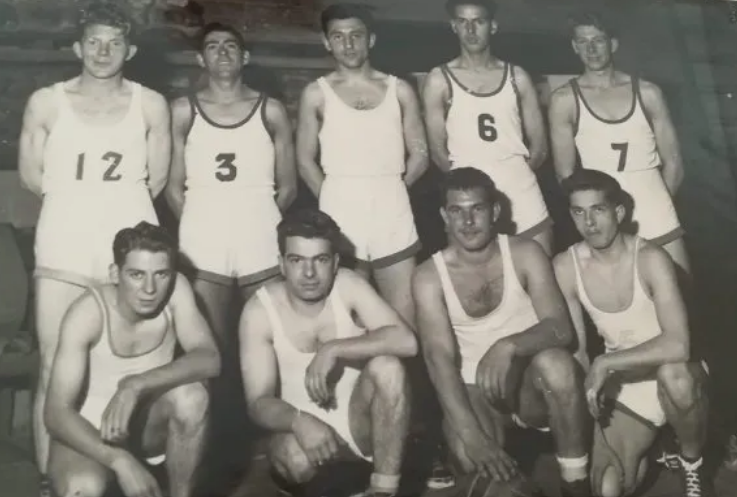
Professor James Naismith, the Canadian inventor of the sport—born in the United States and now played worldwide by more than 650 million registered players—held strong anti-segregationist values and wanted his students to be able to practise team sports during the cold winter days. He had a vision. Basketball was born in 1891 in Springfield, Massachusetts.
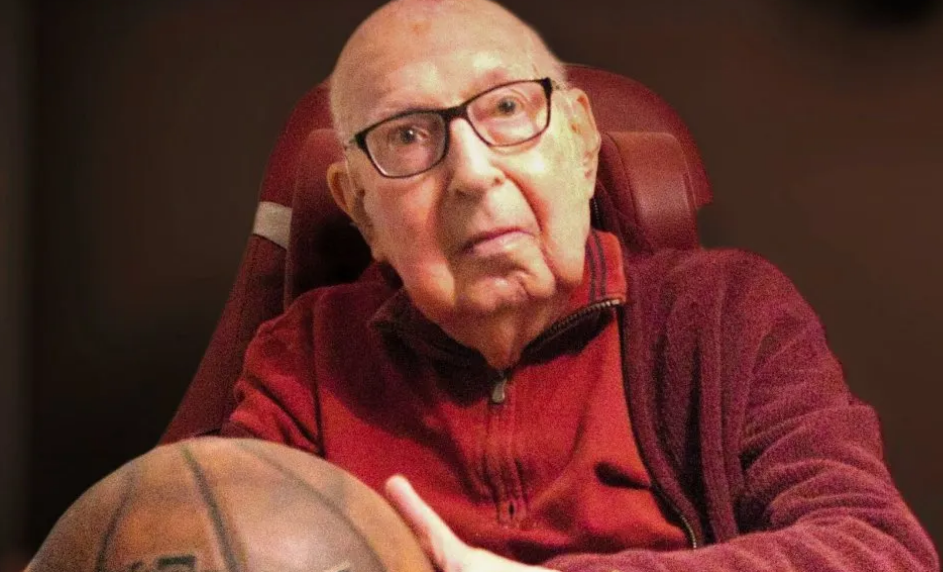
In this France Inter programme, we spoke about transmission through basketball with two former head coaches of the French national team: Alain Weisz and Vincent Collet, André’s son. André Collet passed away in December 2024 at the age of 97, and I wanted to pay tribute to him by revisiting the key points of our conversation. Note that Alain’s son, Jean-Baptiste Weisz, was also part of the discussion. Forty minutes and an overtime period to say the essential things.
Basketball has established itself as a global sport, driven by the NBA’s immense power of attraction. A true entertainment industry, the American league has shaped entire generations through its icons: Michael Jordan, Magic Johnson, Larry Bird and Kareem Abdul-Jabbar yesterday; Shaquille O’Neal, Kobe Bryant, LeBron James and Nikola Jokić today. Oversized stars, luxurious locker rooms, unapologetic egos and a constant narrative of self-transcendence have turned basketball into a total imaginary world, blending athletic performance, urban culture and media influence.
The most famous basketball player in the world for around forty years, Michael Jordan now heads a lucrative business associated with Nike for the distribution of shoes and sports equipment bearing his name.
Yet this global fascination should not obscure another reality: that of a basketball deeply rooted in local territories. In France, long before modern arenas and television broadcasts, the game developed on outdoor courts during the 1960s and 1970s. In Marseille, as elsewhere, people played outside, on concrete or hard-packed dirt, in a culture of challenge, three-on-three games and free play. The “playground,” now associated with the suburbs and the hip-hop imagination, was in fact a widely shared practice among an entire generation of French basketball players, regardless of their social or geographical background.
This dual lineage—the American dream and popular grassroots learning—has shaped French basketball. It also explains the constant bridges between sport and music, from the politically engaged rock of The Clash (who sang about the “Washington Bullets” to denounce US repression in Nicaragua), to hip-hop (Jay-Z was at one point a shareholder of the Brooklyn Nets), and the lasting influence of American culture on young European players.

Passing on the Game: Families, Mentors and Founding Figures
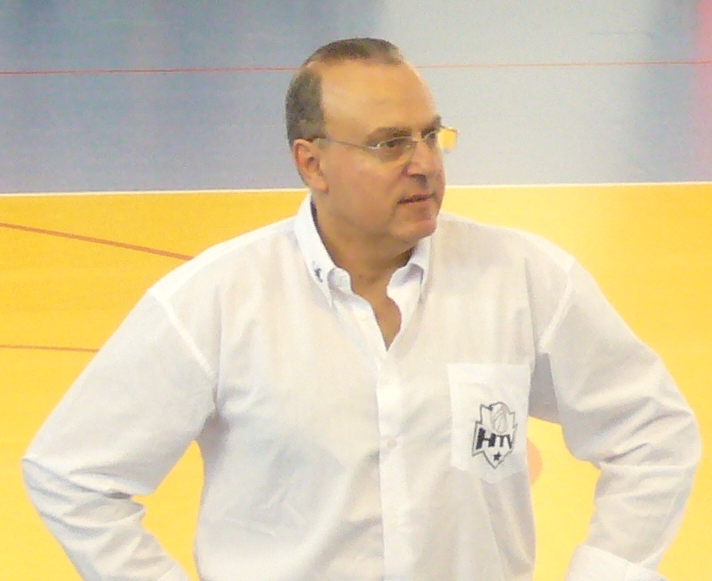
At the heart of this story lies transmission. Basketball is passed on less through injunction than through example, environment and encounters. Alain Weisz embodies this educational vision of sport. Introduced to basketball in Marseille on outdoor courts, he very early developed a conception of the game based on values, respect for rules and the development of the individual as much as the player. His coaching career led him to manage numerous clubs—Montpellier, Le Mans, Strasbourg, Sceaux, Chatou, Hyères-Toulon, Boulogne-Levallois—as well as the French national team, while remaining deeply attached to the idea that basketball is above all a tool for human development.
This approach is reflected in his relationship with his children. None of them were forced to play: some initially chose football, sometimes to avoid a paternal absence linked to the constraints of a coaching career. Yet the family atmosphere, steeped in sport and passion, naturally led several of them toward top-level basketball. Jean-Baptiste Weisz bears witness to this: it was the atmosphere, the encounters and life around basketball—far more than any imposed ambition—that drew him to the sport.
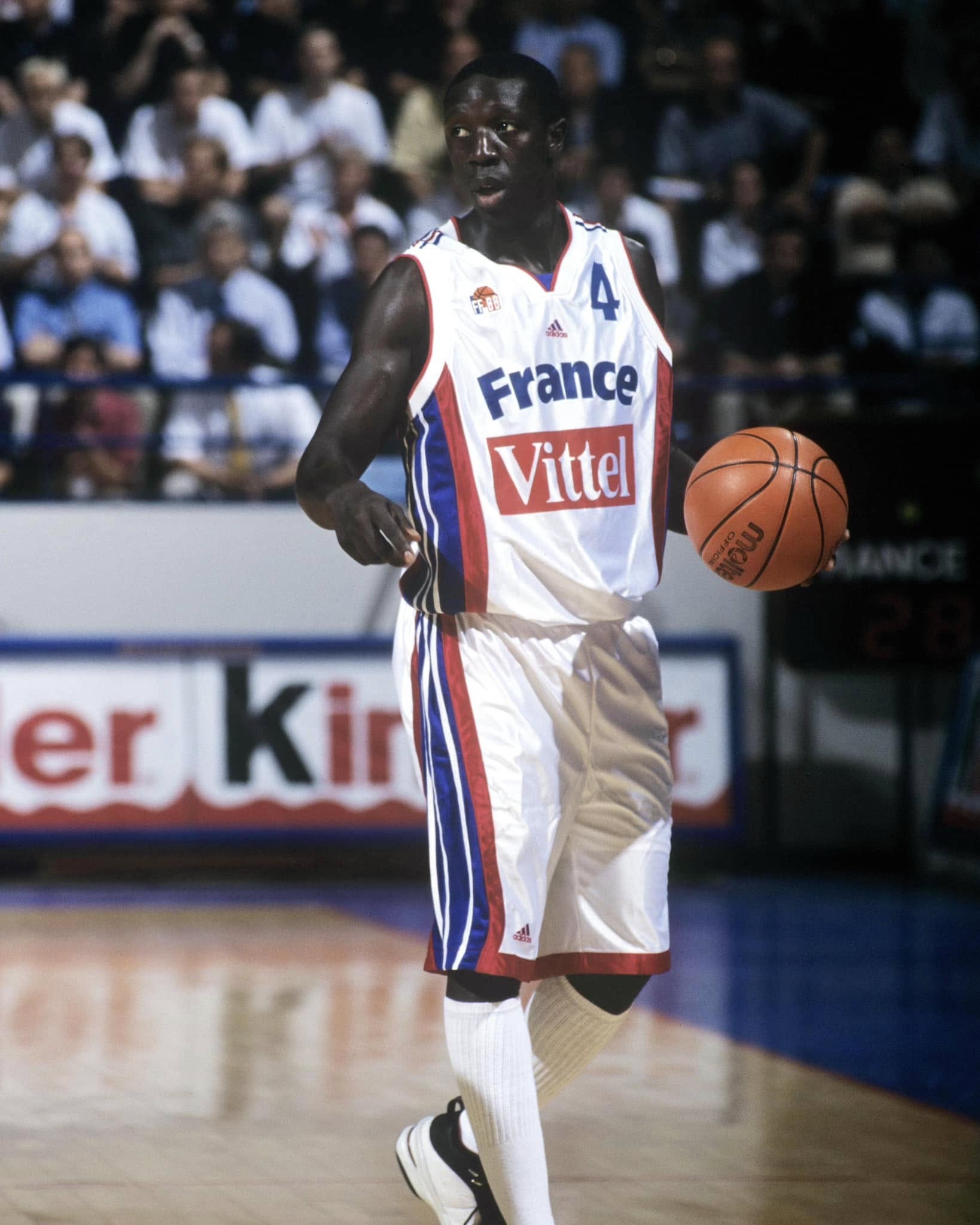
The figure of Moustapha Sonko perfectly illustrates this informal transmission. A spectacular point guard, he marked a turning point in French basketball by introducing a more explosive style inspired by the NBA. A pioneer, he paved the way for a generation later embodied by Tony Parker. Sonko was not only a player: he was also an older brother, a reference point, a link between street basketball and club culture, between raw talent and professional demands. For Alain Weisz, without this preliminary groundwork, Tony Parker might not have found such fertile ground for his emergence.
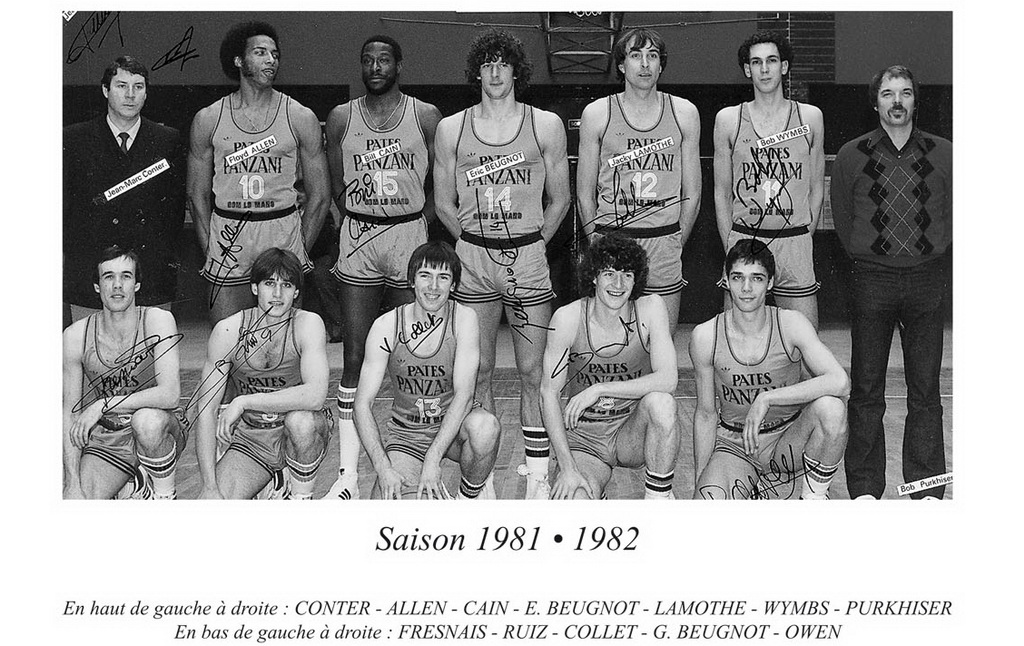
This family-based logic is also found within the Collet family. In Montivilliers, André Collet helped build a structured, developmental club deeply rooted in its local community. His son Vincent grew up in this environment, observing, learning and absorbing every facet of basketball: player, coach, administrator. Becoming one of the best French coaches, winner of the French Cup with Le Mans and a major figure in Pro A, several times medalled in various FIBA competitions—including gold at the 2013 European Championships in Slovenia and, more recently, silver at the Paris Olympic Games—Vincent Collet embodies this patient transmission, founded on work, humility and excellence. But here again, nothing is automatic: within the same family, not all children choose basketball, proof that passion cannot be decreed.
Generations, Cultures and Failures: Basketball as a School of Life
The question of transmission also arises at the national level. After the silver medal at the Sydney 2000 Olympic Games, French basketball faced a choice: continue with an experienced generation or embark on a rebuilding process. Alain Weisz, then a member of the coaching staff, argued for continuity, believing that the players had not yet reached their ceiling. The retirement of Antoine Rigaudeau disrupted this balance and forced a rethink of the project.
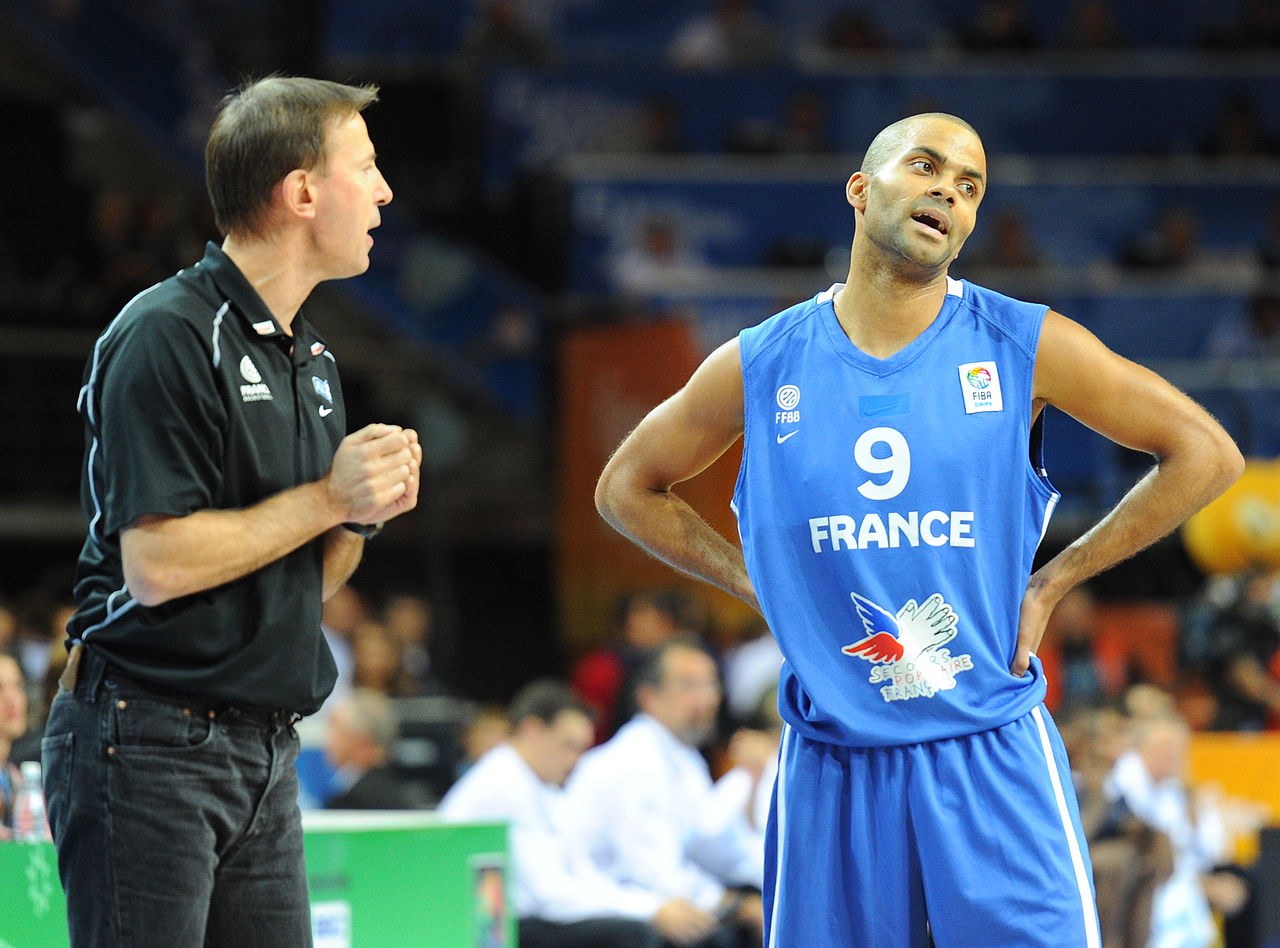
A transition period then opened, marked by the arrival of young talents: Tony Parker, Boris Diaw, Mickaël Pietrus, Ronny Turiaf and Tariq Abdul-Wahad. More than a generational conflict, it was a clash of cultures. Some players were trained within the French system, while others carried a deeply American mindset, characterised by absolute confidence, limitless ambition and a direct relationship with performance. Handing the keys of the French national team to Tony Parker at a very early stage was a bold, fully assumed gamble: exceptional players are rare, and sometimes risk must be accepted to help them grow.
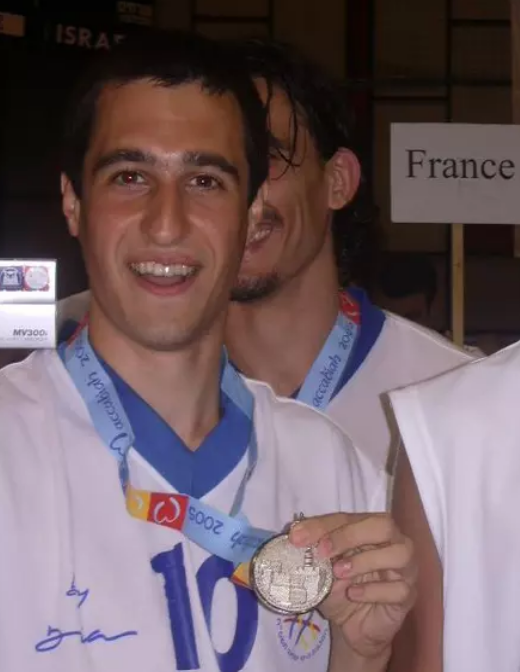
The failure at EuroBasket 2003, marked by a decisive defeat against Lithuania followed by Italy, remains a wound. The team, unable to remobilise for an objective deemed secondary, broke down mentally. What followed was often harsh media scrutiny, experienced as unfair by the players and those close to them. For the Weisz family, this period was difficult: it required learning to take distance, to distinguish external perception from lived reality.
From this ordeal emerged a need to explain and transmit differently. Storytelling and writing became tools to reveal what goes on behind the scenes, to pay tribute to encounters, but also to acknowledge grey areas and mistakes. Basketball then appears for what it truly is: a school of human complexity, made of passions, lineages, ruptures and new beginnings.
Whether played on a Marseille playground, within a family club in Normandy or on international courts, basketball remains a space for transmission between generations. A light that circulates, transforms, sometimes flickers, but never goes out. Our thoughts are with Vincent and his family. André was a role model for generations, and his memory will, in any case, remain engraved in my own. I had the opportunity to shake his hand a few months after the programme, during the post-game cocktail organised by MSB; Le Mans Sarthe Basket had won that game. In 2006, Vincent Collet would coach the Le Mans team to the French Pro A championship title (now the Betclic Elite). Today in 2026, Vincent is a member of the coaching staff of the Cleveland Cavaliers, assisting Kenny Atkinson.

 Suississimo